Batch Feed vs Continuous Feed Garbage Disposals: Which Is Better? (October 2026)
For batch feed vs continuous feed garbage disposal, choose batch feed for covered starts or continuous feed for adding scraps during cleanup. Check cabinet fit and electrical connections before choosing a model.
On this page (10 sections)
- Batch feed vs continuous feed garbage disposal: what changes?
- Which feed style fits your cleanup routine?
- Which of these 3 disposals suits your kitchen?
- Do batch feed disposals need a wall switch?
- What should you measure before ordering?
- Does feed style tell you how much power you need?
- Is batch feed safer than continuous feed?
- How should you load and run each style?
- What care and mistakes matter with both styles?
- Batch feed vs continuous feed garbage disposal: which should you buy?
Choose batch feed for covered starts or continuous feed for adding scraps as you work. The batch feed vs continuous feed garbage disposal decision starts with your cleanup habits, then comes down to cabinet fit and electrical connections.
Batch feed suits people who collect a small load before grinding it. Continuous feed suits cooks who clear a cutting board, rinse dishes and add scraps at different points.
Neither style replaces the trash or compost bin. For motor sizes and other model choices, start with our complete garbage disposal buying guide.

 Best for noise-conscious households
InSinkErator Evolution Cover Control Batch Feed
Batch feed vs continuous feed garbage disposal: what changes?
The main difference is how you load and activate the disposal. Batch feed uses a special stopper or cover to start; continuous feed uses a separate control and accepts scraps while running.
With batch feed, you place suitable scraps in the chamber, run water and engage the cover as directed. For another load, you stop, remove the cover and repeat.
With continuous feed, you run water, switch on the motor and feed suitable scraps gradually. The name means you can keep adding scraps during operation, not that you should leave the disposal running between tasks.
| Daily task | Batch feed | Continuous feed |
|---|---|---|
| Starting the motor | Engage the activation stopper or cover | Use a separate on-and-off control |
| Adding more scraps | Stop and reload | Feed gradually while it runs |
| Drain opening during grinding | Covered by the activation piece | Open for adding scraps |
| Item to keep nearby | Matching stopper or cover | Reachable activation control |
| Best cleanup pattern | Small, separate loads | Scraps arriving throughout cleanup |
Feed style doesn't determine motor strength, noise or cabinet size. Compare those separately rather than treating every batch feed model as an upgrade over every continuous feed model.
Which feed style fits your cleanup routine?
Choose continuous feed for a steady flow of scraps and batch feed for separate loads. Picture a normal dinner cleanup rather than your largest holiday meal.
Continuous feed works well when one person washes dishes while another brings plates to the sink. You can add small amounts as they arrive, without opening and closing an activation cover.
Batch feed fits a routine where you scrape plates first, gather suitable scraps and run one load. It also suits people who prefer a clear pause between loading and grinding.
A large pile can require several batch cycles. If you regularly fill the sink with dishes and scraps together, those extra stops may feel awkward.
Continuous feed vs batch feed garbage disposal for busy cooks
Continuous feed is the better fit for frequent additions during cooking. It lets you clear small scraps from your work area without saving them for a later batch.
That convenience still calls for slow feeding. Pushing a full cutting board of waste into the opening at once defeats the benefit and can overload the disposal or drain.
Batch feed can work just as well for a cook who keeps a countertop scrap bowl. Put bulky waste in the trash or compost, then grind only the small amount suited to the disposal.
Who should skip each feed style?
Skip batch feed if repeated reloading will bother you or you dislike keeping a special stopper near the sink. A misplaced activation cover can interrupt cleanup.
Skip continuous feed if covered operation is your main requirement. An ordinary drain stopper doesn't turn a continuous feed model into a batch feed unit.
Also consider other people using the kitchen. Everyone should understand how to start, stop and load the chosen disposal.
Which of these 3 disposals suits your kitchen?
The Badger 5 suits ongoing cleanup, while the Evolution Cover Control and Moen Host Series suit buyers who want covered starts. Choose between them by installation needs and useful features, not feed style alone.
InSinkErator Badger 5: for everyday scraps added gradually
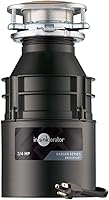
The Badger 5 is the continuous feed choice here, with a 1/2 HP Dura-Drive induction motor and galvanized steel grind components. It suits buyers who want a basic disposal for small amounts of everyday food waste.
Its factory-installed cord helps when a suitable outlet is already available. It also fits existing compatible InSinkErator hardware, which can simplify a replacement after you confirm the mount and plumbing.
Choose it if your priority is clearing scraps as you cook. Skip it if you want a cover-controlled start or specifically want the grinding and sound-reduction features of the Evolution model.
The air switch guide explains an alternative to wall-switch activation. An included power cord doesn't remove the need for a compatible control.
InSinkErator Evolution Cover Control: for covered starts and noise reduction
The Evolution Cover Control combines magnetic CoverStart activation with a 3/4 HP motor and 3-stage MultiGrind system. InSinkErator says its Quiet SoundSeal technology reduces noise compared with standard disposals.
This is the stronger fit if you want covered operation and place value on sound reduction. InSinkErator designed its grinding system to handle tough, fibrous scraps, though that doesn't make every food or quantity suitable.
It includes a hardwire connection kit. The EZ Connect Cover Control Accessory Kit with cord is sold separately, so plan that part before choosing it for an outlet-based setup.
Skip this model if you want to keep feeding scraps while the motor runs. Its wider body also deserves a careful cabinet check.
Moen GXB75C Host Series: for batch feed with an existing outlet
The Moen pairs stopper activation with a pre-installed cord, making it a useful choice for a compatible outlet setup. Its cord can also be removed for optional hardwired installation.
Its 3/4 HP permanent magnet motor runs at 2,700 RPM. Moen says SoundSHIELD insulation helps reduce operating noise, but those features don't establish a direct noise ranking against the Evolution.
The Universal Xpress Mount fits Moen and most existing 3-bolt mounting assemblies. Confirm compatibility rather than assuming every 3-bolt replacement will need no other work.
Choose it when you want batch feed without adding a wall switch for activation. Skip it if your sink exceeds its 1/2-inch maximum thickness or the cabinet can't accommodate its height.
Do batch feed disposals need a wall switch?
Batch feed models use their cover or stopper for activation, so they don't need a wall switch to start each load. They still need the correct electrical supply and connection.
Continuous feed models need a compatible separate control. A wall switch or suitable air-switch system may serve that role, depending on the installation instructions.
An air switch changes how you send the start command; it doesn't change the feed style. Read about garbage disposal air switches before planning a new control location.
Check the existing outlet too. A cord alone won't solve a poorly placed outlet or a supply arrangement that doesn't suit the new unit.
For the connection options, see plug-in or hardwired garbage disposal power cords. Have electrical changes handled by a qualified person when they're beyond your skills or local requirements.
What should you measure before ordering?
Measure cabinet clearance, drain alignment and sink compatibility before selecting either feed style. A disposal that fits through the cabinet door may still conflict with plumbing or stored equipment.
These are the body dimensions to compare:
| Model | Height | Width |
|---|---|---|
| Badger 5 | 11.5 inches | 6.31 inches |
| Evolution Cover Control | 15 inches | 8.25 inches |
| Moen GXB75C | About 15 5/8 inches | 7 1/2 inches |
Allow room around the body for connections and future service. Check the discharge outlet position against the drain piping, rather than comparing height alone.
The Moen specifies a 1 1/2-inch drain connection and a 7/8-inch dishwasher connection. Confirm the new disposal's requirements against your sink and existing plumbing before removing the old unit.
For replacement planning, use our garbage disposal replacement checklist. If you're preparing the full job, the step-by-step installation guide covers the wider process.
Does feed style tell you how much power you need?
Choose feed style for workflow and motor size for workload. A bigger motor doesn't remove the stop-and-reload steps of batch feed, and continuous feed doesn't automatically mean lower power.
The models here aren't an equal-motor comparison. Avoid crediting batch feed itself for differences caused by the motor or grinding system.
Think about how often you cook and the kinds of suitable scraps you expect to process. A household that mostly rinses breakfast dishes has different needs from one preparing several meals daily.
Use the garbage disposal size guide for household needs. Our 1/2 HP vs 3/4 HP comparison explains the motor choice in more detail.
Is batch feed safer than continuous feed?
Batch feed offers covered operation and a deliberate start step. That limits access through the drain opening while grinding, but it doesn't make the sink area risk-free.
The activation cover can appeal to households that want more control over when the motor starts. Keep the cover where adults can find it, and don't treat it as a substitute for supervising children.
Continuous feed leaves the opening available for adding scraps. Clear utensils and small objects from the sink before starting, especially when dishes hide the drain.
Never put a hand into either disposal or bypass a cover mechanism. Before clearing a blockage or retrieving an object, disconnect power and follow the manufacturer's directions.
If the motor hums without turning, stop it instead of repeatedly trying the switch. Our guide to a garbage disposal humming but not spinning explains the next checks.
How should you load and run each style?
Use cold running water and small amounts of suitable scraps with either style, following the model's manual. Keep water flowing for the recommended period after grinding so waste can move through the drain.
For continuous feed, start the water and motor before feeding scraps gradually. Let each small amount clear rather than packing food into the opening.
For batch feed, load without stuffing the chamber, start the water and engage the activation cover as directed. Finish the cycle before stopping and opening it for another load.
Don't confuse a batch with a tightly packed chamber. The disposal needs space to move food, and the drain still has to carry the ground waste away.
Scrape large leftovers into the trash or compost first. Keep grease, oil, nonfood objects and large quantities of starchy or stringy waste out of the disposal.
A motor's ability to break down a scrap doesn't guarantee your drain can carry unlimited amounts of it. When the manual permits a difficult food, use the stated limits rather than treating that permission as unrestricted.
What care and mistakes matter with both styles?
Both styles need regular cleaning and sensible loading. Covered activation doesn't prevent odors, and a stronger motor doesn't prevent drain trouble from poor disposal habits.
Clean accessible sink parts and the splash guard as the manual allows. With batch feed, also keep the removable activation stopper free of food buildup so it can seat correctly.
Follow our garbage disposal cleaning guide for routine upkeep. Don't mix cleaning chemicals or reach into the chamber to scrub it.
Avoid these common mistakes:
- Running without enough water. The disposal and drain need water to carry waste away.
- Overloading each cycle. Divide scraps into smaller amounts with either feed style.
- Pouring grease down the sink. A disposal doesn't make fats safe for drain pipes.
- Losing or substituting the batch cover. Use the correct activation piece for the model.
- Restarting a stalled motor repeatedly. Stop and address the cause first.
- Pressing reset without checking the problem. A reset won't remove a lodged object.
The reset button guide can help locate that control. Restore power only after completing the appropriate checks and following the manual.
Batch feed vs continuous feed garbage disposal: which should you buy?
Buy continuous feed if you want to add scraps throughout cleanup. Among these models, the Badger 5 suits that routine and offers the smallest body.
Buy batch feed if covered starts matter more than uninterrupted loading. Choose the Evolution Cover Control for its grinding system and sound-reduction features, with the connection planned before ordering.
Choose the Moen Host Series when you want stopper activation and a pre-installed cord for a suitable outlet. Its sink-thickness limit and taller body are the key fit checks.
Before ordering, confirm the activation method, electrical connection and cabinet measurements together. For more models to compare after making that choice, browse our garbage disposal comparisons.
Sources
Frequently asked questions
What is the main difference between batch feed and continuous feed disposals?
Batch feed disposals start when you engage a special stopper or cover; continuous feed disposals start through a separate control. You load batch feed units before each run, while continuous feed units accept suitable scraps gradually during operation.
Both styles need running water and sensible food handling.
Is a batch feed garbage disposal safer?
Batch feed keeps the drain opening covered during operation, which limits access while the motor runs. That can suit households that want a deliberate start step, but the cover isn't a substitute for supervision.
Keep hands and utensils out, and disconnect power before clearing a blockage.
Do continuous feed disposals need a wall switch?
Continuous feed disposals need a compatible on-and-off control, but it doesn't have to be a wall switch. An air switch is another option for some installations.
Confirm the disposal's instructions, electrical supply and control compatibility before buying parts, especially when changing from an existing batch feed setup.
Can you put food in a batch feed disposal while it runs?
No, load suitable scraps before engaging the batch feed stopper or cover. To add more, stop the unit and follow its instructions for removing the cover and reloading.
Don't defeat the activation mechanism.
If adding scraps throughout cleanup matters to you, choose continuous feed instead.
Which garbage disposal is easier to use?
Continuous feed is easier for ongoing cleanup because you can add suitable scraps without stopping to reload. Batch feed is straightforward when scraps collect in small groups and you prefer a covered start.
Reachable controls, a convenient place for the stopper and enough sink space also affect daily use.